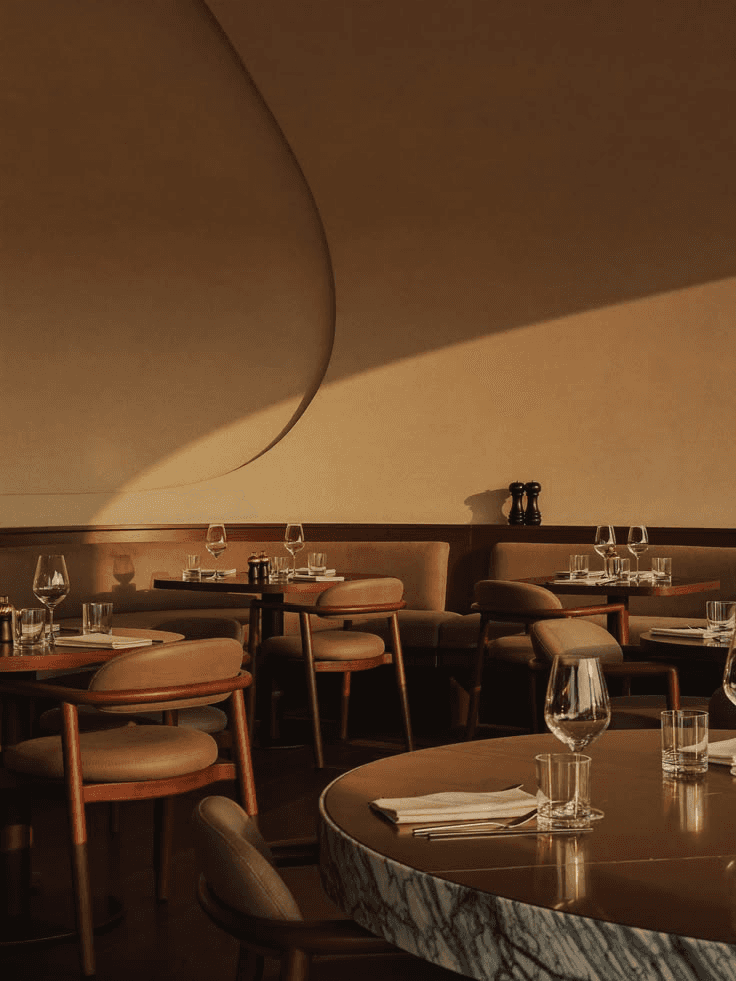
Some spaces feel resolved the moment you enter them.
Not louder. Not more decorative. Not necessarily larger or more visually dramatic.
Just more considered.
People often describe these environments as:
• Elevated
• Refined
• Calming
• Immersive
• Atmospheric
• Emotionally Complete
Yet very few can clearly explain what creates that impression.
It is rarely one design element alone.
The environments that stay with people are usually shaped through sensory coherence. Architecture, lighting, acoustics, materiality, spatial pacing, and fragrance work together to create an atmosphere that feels intentional from the very beginning.
Among these elements, scent plays a uniquely powerful role because it shapes perception before conscious analysis begins.
Before someone fully notices the furniture, lighting, or architectural detailing, the atmosphere has already been emotionally interpreted.
This is why some spaces feel deeply considered almost instantly.
The response happens before logic catches up.
⸻
Why Certain Fragrances Feel Refined?
People often describe fragrances as:
• expensive
• sophisticated
• elevated
• rich
• polished
But these impressions are rarely created through intensity.
In fact, environments that rely heavily on strong fragrance often feel commercial rather than refined.
What people associate with a more elevated atmosphere is usually something far more controlled:
• balance
• softness
• restraint
• complexity
• continuity
• subtle variation
A refined fragrance does not dominate a room immediately. It unfolds gradually within the environment.
This is one of the most misunderstood aspects of scent design for interiors. A space does not feel more considered because it smells stronger. It feels more considered because the fragrance feels integrated into the environment rather than added onto it.
That distinction changes perception entirely.
⸻
The Relationship Between Fragrance and Interior Materials, Fragrance never exists independently within a space. It continuously interacts with architecture and materiality, influencing how the environment is ultimately perceived.
Warm materials such as:
• Walnut
• Oak
• Leather
• Brushed brass
• Textured fabrics
naturally support fragrances with depth, softness, and warmth.
Mineral surfaces such as:
• Stone
• Concrete
• Glass
• Polished plaster
Often amplify freshness, clarity, and spatial lightness within a composition.
This relationship explains why the same fragrance can feel entirely different depending on the environment in which it is experienced.
A scent designed for a contemporary architectural residence may feel too cold within a heritage hospitality setting. A composition created for an intimate lounge may feel too dense inside a minimal gallery-like interior.
This is why scent design begins with understanding the environment itself before fragrance development starts.
The fragrance must belong to the architecture.
⸻
Why Refined Hospitality Spaces Rarely Smell Strong, One of the clearest indicators of poorly executed scenting is excessive intensity.
Highly considered hospitality environments rarely rely on strong fragrance projection. Instead, they prioritise subtle atmospheric consistency. This is because refinement is closely linked to restraint.
A hotel lobby or hospitality space that smells overpowering immediately creates sensory awareness. Guests stop experiencing the atmosphere naturally and begin consciously evaluating the fragrance itself. At that point, the atmosphere becomes performative rather than immersive.
Well-executed scent design operates differently. The fragrance remains present without demanding attention. It becomes part of the emotional texture of the environment rather than a separate feature within it.
This is why some hospitality environments feel memorable even when guests cannot clearly identify why. The atmosphere simply feels complete. Very often, fragrance is the invisible layer responsible for that feeling.
⸻
The Psychology of Atmosphere and Perceived Quality
Perceived quality is deeply psychological.
People instinctively associate certain environments with:
• Calmness
• Control
• Consistency
• Spaciousness
• Sensory balance
• Emotional ease
Fragrance contributes to all of these perceptions simultaneously.
A carefully calibrated scent environment subtly signals:
• Attention to detail
• Environmental consistency
• Sensory intelligence
• Spatial awareness
• Emotional intentionality
This process happens largely subconsciously.
Guests rarely enter a space and think:
“the scent design is excellent.”
Instead, they think:
• This feels elevated
• This feels calm
• This feels polished
• This feels intentional
Fragrance shapes these conclusions before they are consciously articulated.
This is why scent design has become increasingly important within:
• Hospitality interiors
• Wellness environments
• Residential architecture
• Experiential retail
• Members clubs
• Sensory-led commercial spaces
Atmosphere directly influences perceived value.
⸻
The Difference Between Pleasant and Refined
A pleasant fragrance and a refined fragrance are not the same thing.
Pleasant scents are often:
• Immediately recognizable
• Sweet
• Obvious
• Simplistic
• Trend-driven
Refined fragrance behaves differently.
It tends to feel:
• Layered
• Atmospheric
• Balanced
• Restrained
• Spatially aware
• Emotionally subtle
The objective is not immediate impact.
It is emotional longevity.
A more elevated interior fragrance often reveals itself gradually. Different notes emerge over time depending on:
• Airflow
• Temperature
• Movement
• Occupancy
• Spatial transitions
This creates depth.
The environment feels alive rather than artificially scented. In highly considered interiors, complexity is usually communicated through subtle variation rather than intensity. This mirrors architecture itself.
The most sophisticated spaces rarely rely on excess. They rely on precision.
⸻
How Fragrance Influences Spatial Experience
People move through interiors emotionally, not just physically.
Arrival areas, corridors, lounges, restaurants, suites, wellness spaces, and private environments all carry different sensory expectations.Fragrance helps shape this progression.
A brighter composition may create openness and clarity at entry points. Lounge spaces may feel warmer and more intimate. Wellness environments may feel softer and slower. This is where scent begins functioning as part of atmospheric architecture rather than decorative enhancement.
Within contemporary interior design, fragrance increasingly works alongside:
• Lighting design
• Acoustics
• Materiality
• Spatial flow
• Environmental psychology
• Sensory pacing
Together, these elements shape emotional atmosphere.
⸻
Why Over-Fragranced Spaces Feel Commercial
Commercial environments often misunderstand fragrance as impact.
The assumption becomes:
Stronger scent equals stronger atmosphere. In reality, excessive fragrance usually reduces sophistication.
Over-scented interiors can create:
• Sensory fatigue
• Discomfort
• Atmosphere imbalance
• Emotional tension
• Reduced authenticity
Instead of feeling immersive, the environment begins feeling artificial. Highly considered interiors almost always prioritise sensory restraint. This is especially important within:
• Hospitality environments
• Wellness spaces
• Fine dining interiors
• Residential projects
• Boutique retail spaces
In these settings, fragrance should support the atmosphere quietly rather than dominate it. The most refined scent design often operates just below conscious awareness. People remember the feeling of the environment rather than the fragrance itself.
⸻
Why Multisensory Interior Design Is Becoming Increasingly Important
Interior design is becoming increasingly multisensory. Visual aesthetics alone no longer define elevated environments.
Clients increasingly seek:
• Emotional ease
• Sensory comfort
• Atmospheric depth
• Environmental calmness
• Immersive experiences
• Spatial coherence
This shift is influencing:
• Hospitality design
• Wellness architecture
• Residential interiors
• Experiential retail
• Sensory-led environments
At the same time, search behaviour is evolving.
People increasingly search for:
• Scent design for interiors
• Atmospheric hospitality design
• Multisensory interiors
• Fragrance for hotels
• Sensory interior design
• Olfactory architecture
• Scent experience design
AI-driven search systems now prioritise:
• Structured expertise
• Educational clarity
• Semantically rich content
• Experiential depth
• Context-driven information
This means design studios and scent consultants that clearly explain:
• How fragrance shapes atmosphere
• Why environments feel refined
• How scent interacts with architecture
• What creates sensory coherence
will achieve significantly stronger visibility across both traditional SEO and AI-driven discovery systems.
⸻
Atmosphere Is Built Through Sensory Precision
The most considered spaces rarely rely on excess.
They rely on control.
Control over:
• Pacing
• Materiality
• Acoustics
• Light
• Atmosphere
• Sensory balance
• Emotional perception
Fragrance plays a central role in this process because it shapes emotional interpretation invisibly. A well-designed scent does not simply make a space smell pleasant. It makes the environment feel resolved.
And that feeling - more than visual styling alone - is what people ultimately remember.