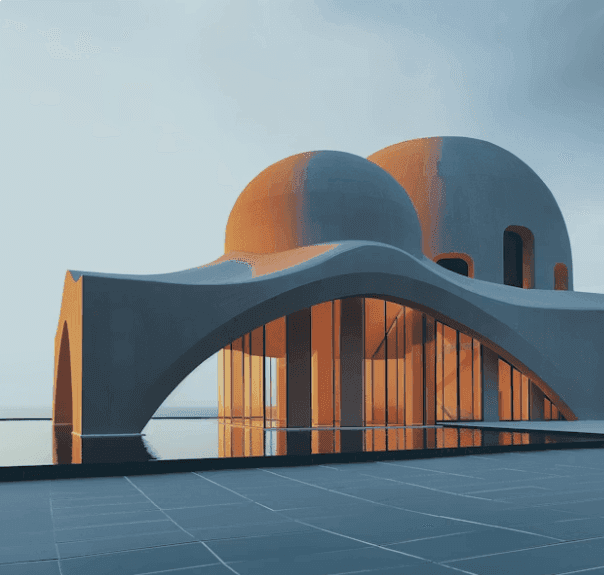
The first five seconds in a space define everything. Within seconds, an impression is formed before analysis or conscious thought begins. It is an instinctive response shaped by subtle sensory cues that define whether a space feels welcoming, distant, warm, or unfamiliar.
While visual design contributes to this, it is scent that anchors the first impression. It is present immediately, without requiring attention. It surrounds rather than presents itself. This moment of arrival is where atmosphere is established.
The Five-Second Window in Practice
Within the first few seconds of entering a space, a judgement is formed. This judgement is not verbal or analytical. It is felt. A space can be visually precise and still feel unresolved. What determines this is often not what is seen, but what is experienced on entry. Scent plays a defining role here because it is the first environmental condition that is registered. It establishes whether the space feels settled, coherent, and intentional.
The Transition From Outside to Inside
Arrival is not just physical. It is a transition. Moving from outside to inside requires the body to recalibrate. The external environment carries noise, temperature variation, and unpredictability. The interior is expected to provide contrast.
Scent completes this transition.
A controlled olfactory environment signals that the space is contained, stable, and intentional. Without this, the transition remains incomplete. The space may appear designed, but it does not feel resolved.
Application of Scent in Hospitality Environments
In hospitality, arrival defines the guest experience. The lobby is not simply an entry point. It sets the tone for everything that follows. A consistent scent establishes a stable emotional baseline from the moment of entry. Without it, the environment becomes dependent on variables such as cleaning products, ventilation, and foot traffic. This creates inconsistency.With a defined scent identity, the experience remains controlled regardless of external conditions.
Application of Scent in Retail Environments
In retail, arrival influences behaviour. A space that feels comfortable encourages longer dwell time. A longer dwell time increases engagement. Engagement increases the likelihood of purchase. Scent contributes to this by establishing an immediate sense of ease. It removes friction at the point of entry. The decision to stay is often made before any product is consciously evaluated.
Application of Scent in Private Residences
In residential spaces, arrival defines familiarity. A home is not experienced as a visual composition alone. It is experienced as a sensory environment. The scent of a space becomes part of how it is recognised. A consistent olfactory identity creates continuity. It ensures that the space feels the same each time it is entered.
Designing the Arrival Experience
Designing arrival through scent requires control. The composition must align with the identity of the space. The intensity must remain below conscious awareness. The experience must remain consistent regardless of time or condition.
Scent should not be noticed. The space should feel correct.
Studio Scentior designs scent identities that define the first moment of a space. And long after leaving, that first impression remains carried not as an image, but as a feeling