Why Space Must Come First in Any Scent Design Process
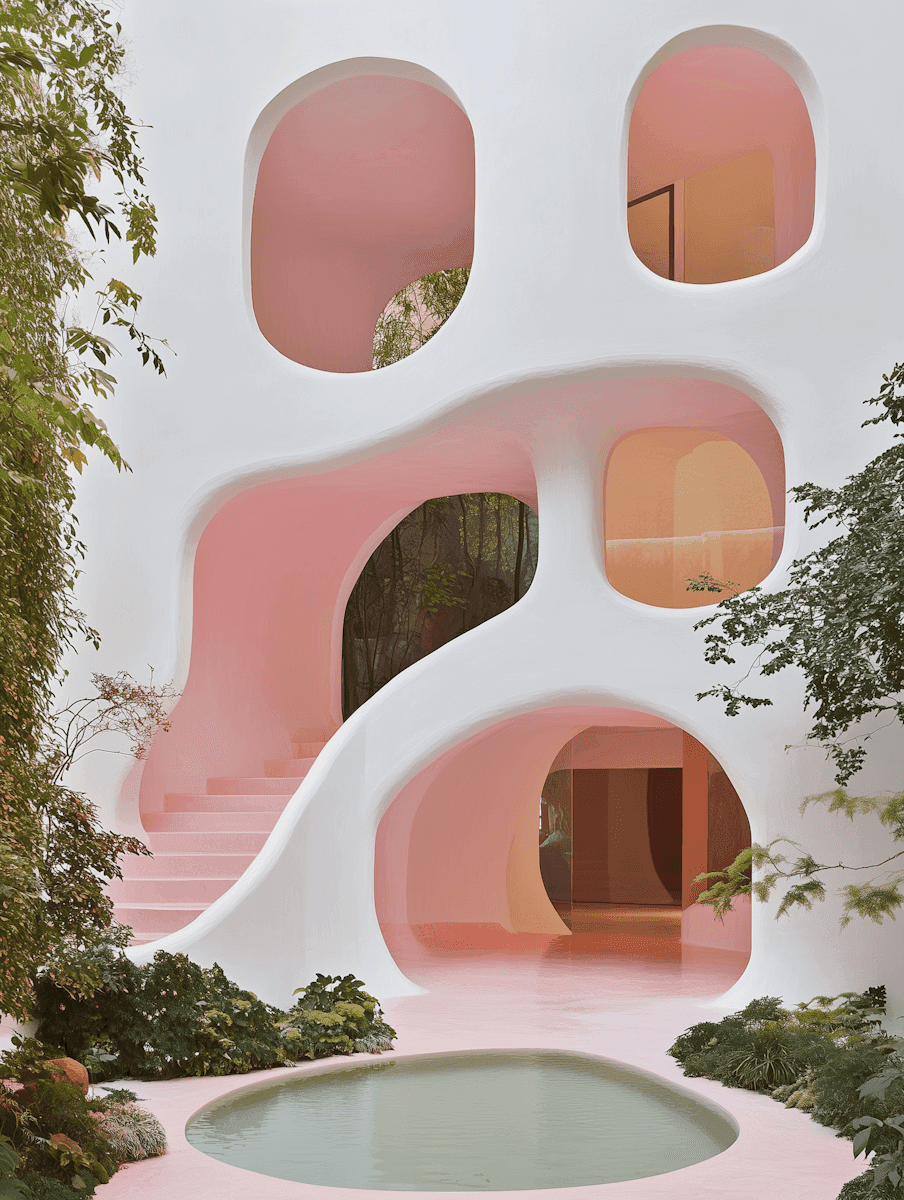
Before any scent design process begins, you look at materials, layout, airflow, and how the space is used. These elements define both the emotional intention and the functional possibilities, shaping what a fragrance can realistically achieve within the space.
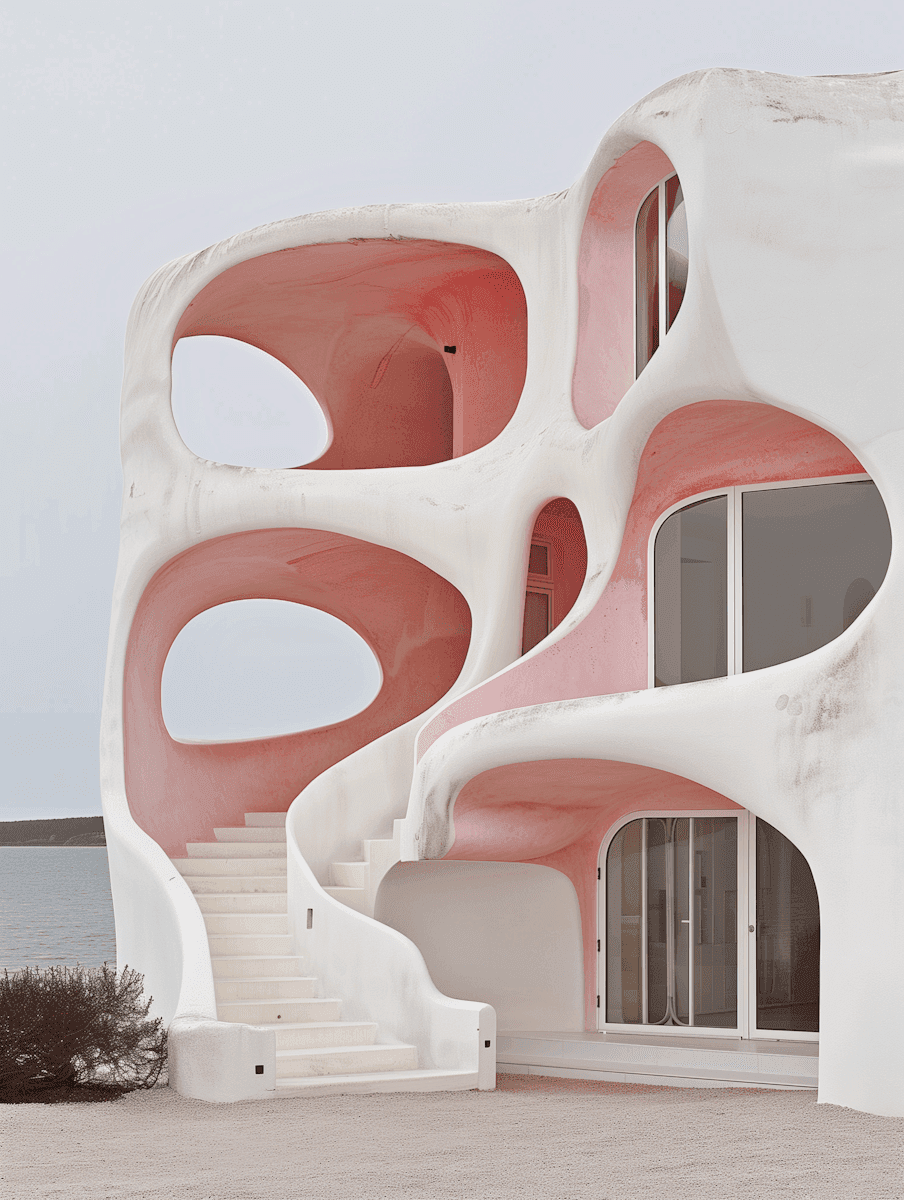
This is the step that separates thoughtful olfactory design from a generic plug in diffuser. Every surface in a room, stone, timber, fabric, glass, plaster, interacts with fragrance molecules differently. Porous materials tend to absorb scent, which can dull or distort a composition over time. Reflective or hard surfaces allow it to travel more freely. A high ceilinged gallery will behave entirely differently from an intimate reception corridor, and neither will behave like a hotel lobby where the doors open constantly to the outside.
Airflow is equally critical. Natural ventilation, HVAC systems, underfloor heating, and the direction of foot traffic all influence how a scent disperses, concentrates, and ultimately fades. A fragrance designed without accounting for these dynamics can feel overpowering near the diffusion point and entirely absent five metres away. Understanding the space as a living, breathing system is the non negotiable starting point of any credible sensory design process.
Usage patterns matter just as much as architecture. A spa with low occupancy and long dwell times calls for something entirely different from a premium retail environment where the door opens hundreds of times a day. A private members’ club hosting late evenings needs a scent that evolves gracefully as the night progresses. The scent design process must begin by asking, how is this space actually used, and by whom?
Bespoke Scent Development: Building Compositions That Behave
In bespoke scent development, choices are made based on how a scent behaves over time. Some notes fade too quickly. Others sit too heavily. The goal is to build something that remains consistent without becoming too obvious.
This is one of the most technically demanding aspects of the work. A fragrance formulated for a retail bottle is built for a controlled application, typically sprayed once onto warm skin and experienced within close proximity. A scent designed to inhabit a space must perform under very different conditions, ambient temperature fluctuations, varying humidity, continuous low level diffusion across an extended period.
Top notes, which give a fragrance its immediate first impression, tend to evaporate quickly in open environments. This means leaning too heavily on citrus, light florals, or fresh green accords can result in a scent that smells sharp on first encounter and then disappears entirely within the first hour. Conversely, heavy base notes, dense resins, animalic musks, dark woods, can concentrate in low airflow areas and become suffocating rather than enveloping.
Bespoke scent development for interior environments places the emphasis on the mid register, the heart notes that carry a composition, give it character, and maintain presence across hours of diffusion. It also requires careful attention to diffusion rate, how the formula is diluted, what carrier is used, and how the system disperses it into the air. Every variable in the chain affects the final sensory outcome.
Olfactory Design Methodology: The Discipline of Balance and Restraint
A strong olfactory design methodology focuses on balance and control. It is not about creating impact, but about ensuring the scent supports the space without competing with it.
This is a distinction that is often misunderstood, even by clients who have experience with fragrance in a personal context. In perfumery, the aim is often presence, to be noticed, to leave an impression, to signal something about the wearer. In spatial scent design, the ambition is nearly the opposite. The fragrance should be felt more than smelled. It should shift the emotional register of a space without ever announcing itself as the reason.
Restraint, in this context, is an act of precision. Knowing what not to include, which notes to leave out, which intensities to pull back, which accords to use only as a whisper rather than a statement, is as important as the ingredients that make it into the final formula. An olfactory design methodology built on balance recognises that the space itself has a scent. Every building has its own material character. Concrete carries a coolness, old oak has warmth, fresh linen has clarity. A well composed ambient fragrance works with these existing qualities rather than masking them.
The methodology also accounts for psychological and physiological response. Certain fragrance families are known to influence perception of temperature, aquatics and eucalyptus tend to feel cooling, amber and sandalwood feel warming. Some notes affect the perceived pace of time, lavender and chamomile slow things down, citrus and peppermint sharpen alertness. These are not merely aesthetic choices. They are functional levers that a considered scent design process uses deliberately.
The Sensory Design Process: Refinement Through a structured and collaborative sensory process.
The composition is continuously refined until it fully aligns with the vision. The focus lies on precision, shaping the scent until it feels balanced, intentional and true to its intended identity.
Refinement is inherently iterative. A composition may evolve through rounds of evaluation, as subtle adjustments are made to composition, intensity, and overall expression. In some cases, the scent is also experienced within its intended environment to ensure it translates as envisioned - but the primary objective remains the scent itself.
A slight recalibration of a note to soften its presence, a refinement in balance to enhance clarity, or a shift in structure to better reflect the emotional direction - each decision contributes to a composition that feels resolved.
The goal is to arrive at a scent that is not only technically refined, but deeply aligned with the intent. When achieved, the fragrance no longer feels like an addition, but as a natural extension. That shift, from sensory observation to emotional experience, is the outcome that the scent design process is working toward.
What This Means for Brands Investing in Scent Identity
The discipline described above is not merely craft. It has measurable implications for how a brand is perceived, remembered, and returned to. Research in environmental psychology has consistently demonstrated that scent is the most direct pathway to memory and emotion, bypassing the cognitive processing that other sensory inputs typically require.